Top CS Personalities
Profiles of historical and modern computer science figures
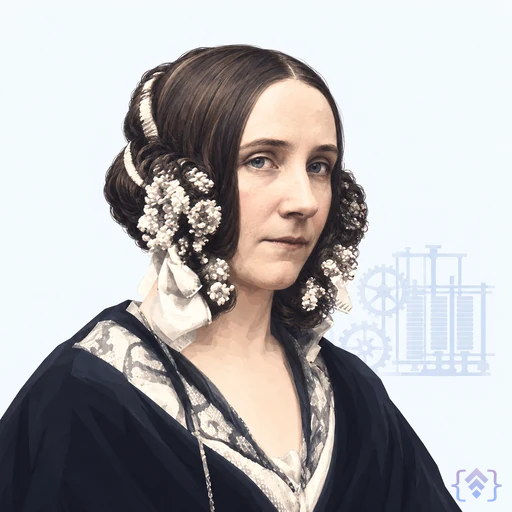
Key Contribution
First programmer, analytical engine
English mathematician and writer, known for her work on Charles Babbage's proposed mechanical general-purpose computer, the Analytical Engine. She is often regarded as the first computer programmer.
Notable Achievements
- Wrote the first algorithm intended for implementation on a computer
- Recognized the potential of computers beyond mere calculation
- Pioneered the concept of computer programming
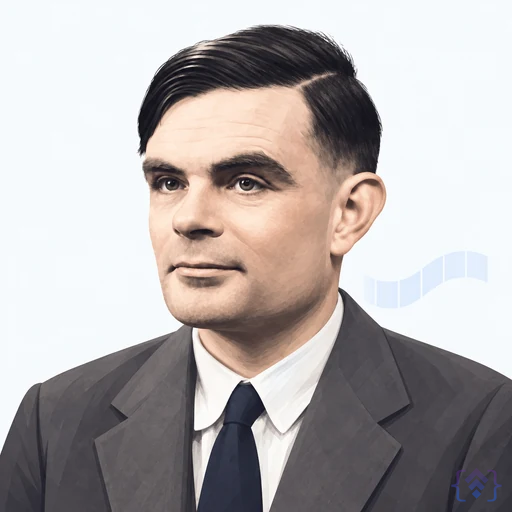
Key Contribution
Father of theoretical computer science, Turing machine
British mathematician and computer scientist who formalized the concepts of algorithm and computation with the Turing machine. His work laid the foundation for modern computer science and artificial intelligence.
Notable Achievements
- Developed the concept of the Turing machine
- Helped break the Enigma code during World War II
- Pioneered early work in artificial intelligence

Key Contribution
Father of information theory
American mathematician and electrical engineer known as the 'father of information theory'. His landmark paper 'A Mathematical Theory of Communication' established the field of information theory and laid groundwork for digital communications.
Notable Achievements
- Established mathematical foundations of information theory
- Introduced the concept of the 'bit' as a unit of information
- Developed fundamental theories of data compression and error correction
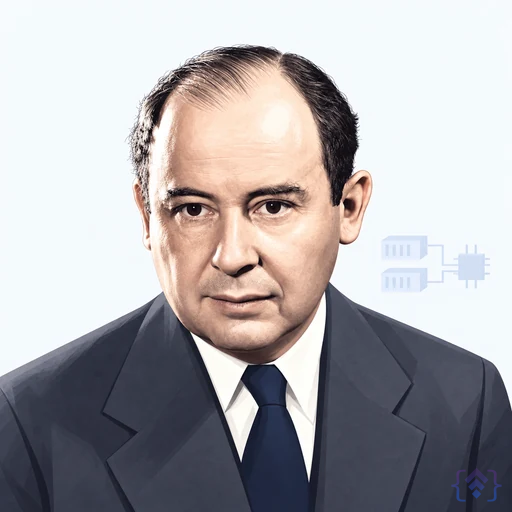
Key Contribution
Von Neumann architecture, stored-program computer
Hungarian-American mathematician, physicist, and computer scientist who made major contributions to computer architecture. The von Neumann architecture is the foundation for virtually all modern computers.
Notable Achievements
- Designed the von Neumann architecture for stored-program computers
- Made fundamental contributions to quantum mechanics and game theory
- Pioneered work in numerical analysis and computing
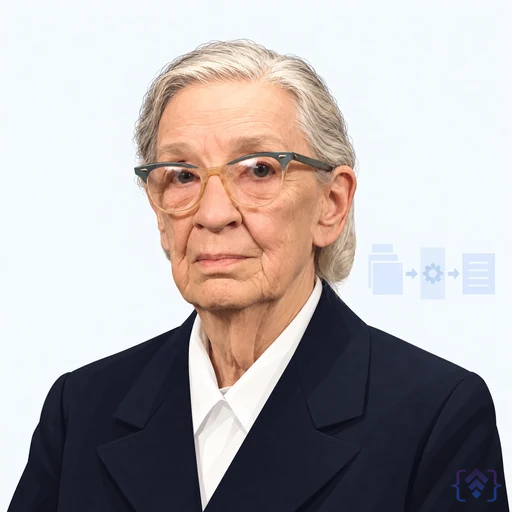
Key Contribution
Compiler development, COBOL language
American computer scientist and United States Navy rear admiral who was one of the first programmers of the Harvard Mark I computer and invented the first compiler for a computer programming language.
Notable Achievements
- Developed the first compiler (A-0)
- Popularized the term 'debugging'
- Led the development of COBOL programming language
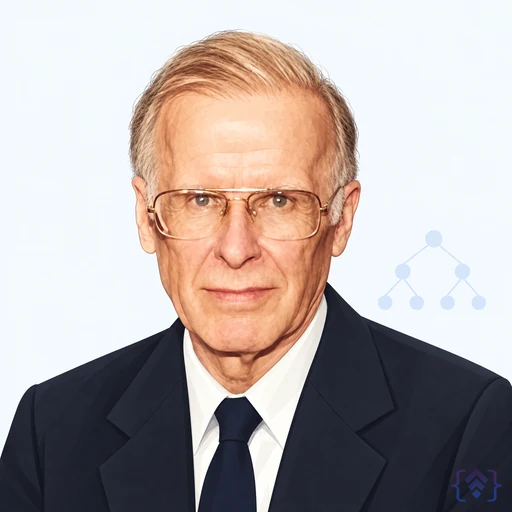
Key Contribution
FORTRAN, Backus-Naur Form (BNF)
American computer scientist who led the team that invented FORTRAN, the first widely used high-level programming language. He also developed BNF notation for describing programming language syntax.
Notable Achievements
- Led development of FORTRAN, the first high-level programming language
- Created Backus-Naur Form (BNF) for formal language specification
- Won the Turing Award in 1977
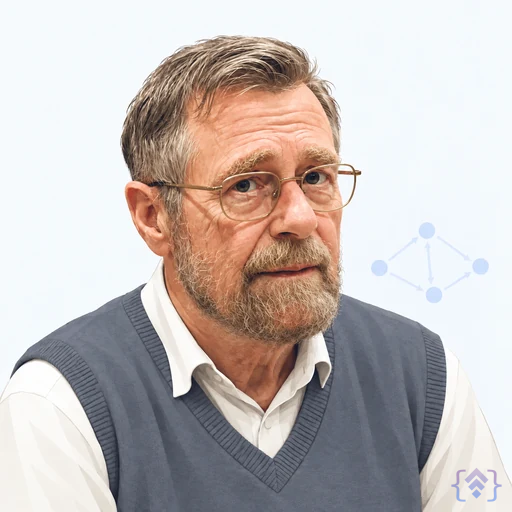
Key Contribution
Structured programming, algorithm design
Dutch computer scientist known for his contributions to programming methodology and algorithm design. His shortest path algorithm (Dijkstra's algorithm) is fundamental to computer science.
Notable Achievements
- Developed Dijkstra's algorithm for finding shortest paths
- Pioneered structured programming methodology
- Made fundamental contributions to concurrent programming
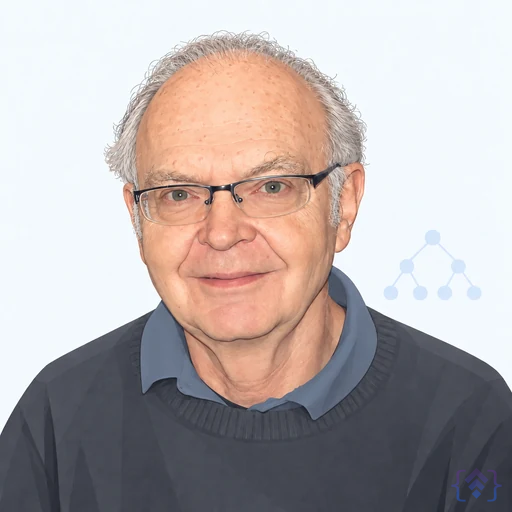
Key Contribution
The Art of Computer Programming, TeX
American computer scientist, mathematician, and professor emeritus at Stanford University. He is the author of the multi-volume work The Art of Computer Programming and created the TeX computer typesetting system.
Notable Achievements
- Wrote 'The Art of Computer Programming'
- Created TeX typesetting system
- Developed the Knuth-Morris-Pratt string-searching algorithm
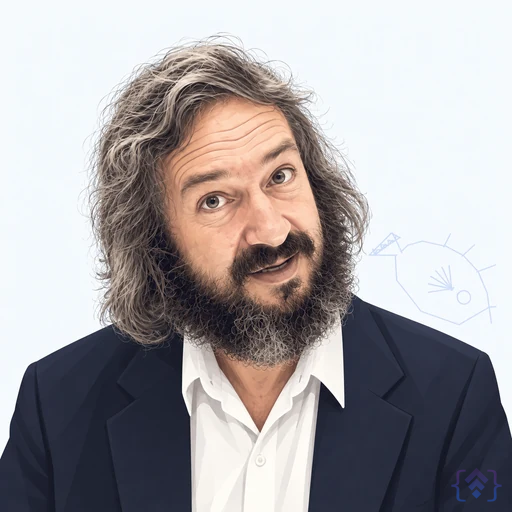
Key Contribution
Computer science education, LOGO programming language
South African-born American mathematician, computer scientist, and educator who pioneered artificial intelligence and was co-inventor of the LOGO programming language designed for educational purposes.
Notable Achievements
- Co-invented LOGO programming language for education
- Pioneered use of computers in education
- Developed constructionist learning theory
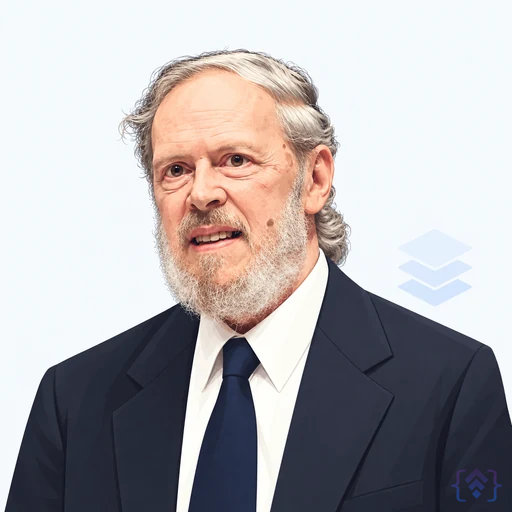
Key Contribution
C programming language, UNIX
American computer scientist who created the C programming language and, with Ken Thompson, the UNIX operating system. C became one of the most widely used programming languages of all time.
Notable Achievements
- Created the C programming language
- Co-developed the UNIX operating system
- Won the Turing Award in 1983 (with Ken Thompson)
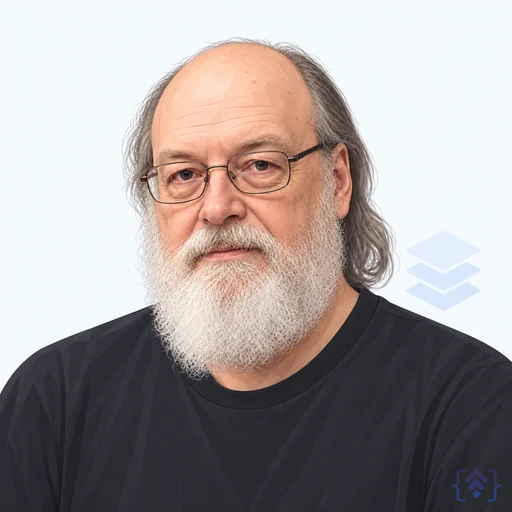
Key Contribution
UNIX, B programming language, Go
American pioneer of computer science who worked at Bell Labs for most of his career. He co-created the UNIX operating system, developed the B programming language (predecessor to C), and co-designed the Go programming language.
Notable Achievements
- Co-created UNIX operating system
- Developed B programming language
- Co-designed Go programming language at Google
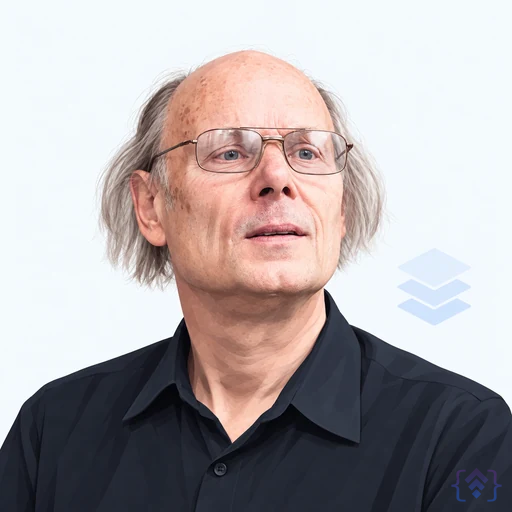
Key Contribution
C++ and object-oriented programming
Danish computer scientist who created and developed the C++ programming language. C++ extended C with object-oriented features and became crucial for systems programming and performance-critical applications.
Notable Achievements
- Created C++ programming language
- Pioneered object-oriented programming in systems languages
- Continued evolution of C++ for over four decades
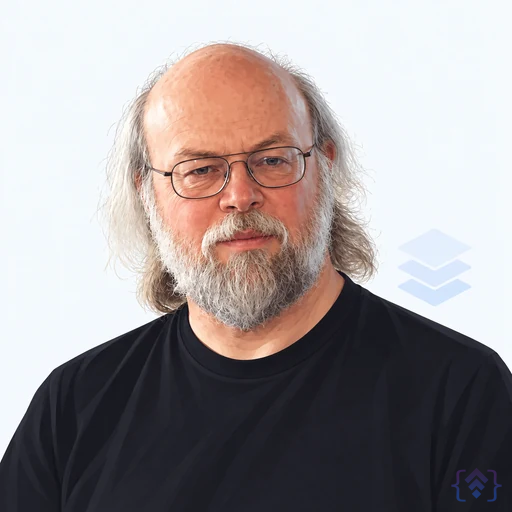
Key Contribution
Java programming language
Canadian computer scientist known as the father of the Java programming language. Java's 'write once, run anywhere' philosophy revolutionized cross-platform software development.
Notable Achievements
- Created Java programming language
- Designed Java Virtual Machine architecture
- Pioneered platform-independent programming

Key Contribution
Python programming language
Dutch programmer who created Python, one of the most popular and widely-used programming languages. Python's emphasis on code readability and simplicity has made it the language of choice for data science, AI, and web development.
Notable Achievements
- Created Python programming language
- Served as Python's 'Benevolent Dictator For Life' until 2018
- Influenced modern programming language design
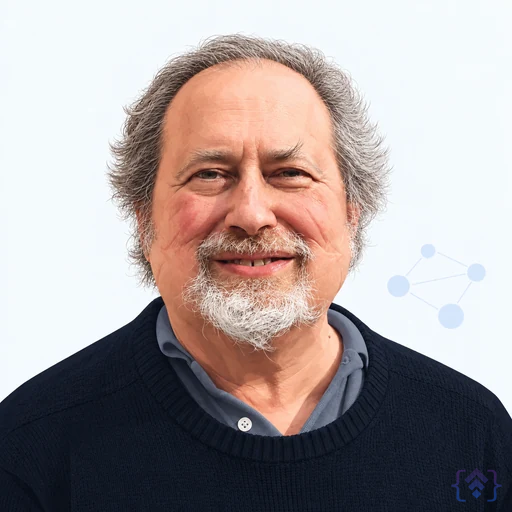
Key Contribution
Free software movement, GNU Project
American programmer and free software activist who launched the GNU Project to create a free Unix-like operating system. He founded the Free Software Foundation and wrote the GNU General Public License (GPL).
Notable Achievements
- Founded the Free Software Foundation
- Launched the GNU Project
- Created the GNU General Public License (GPL)
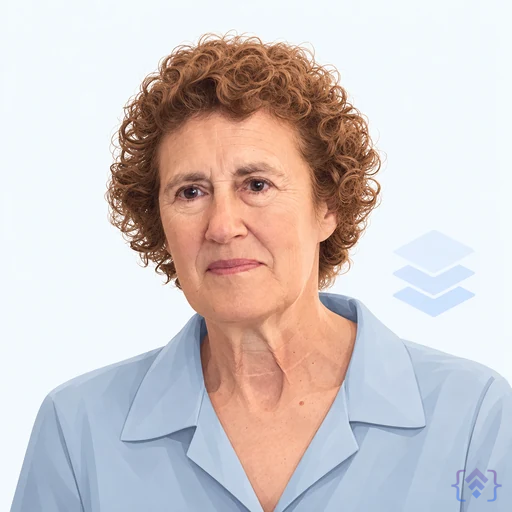
Key Contribution
Liskov substitution principle, programming language design
American computer scientist who is an Institute Professor at the Massachusetts Institute of Technology. She won the Turing Award in 2008 for her work in the design of programming languages and software methodology.
Notable Achievements
- Developed the Liskov substitution principle
- Created the CLU programming language
- Pioneered the implementation of data abstraction in programming languages
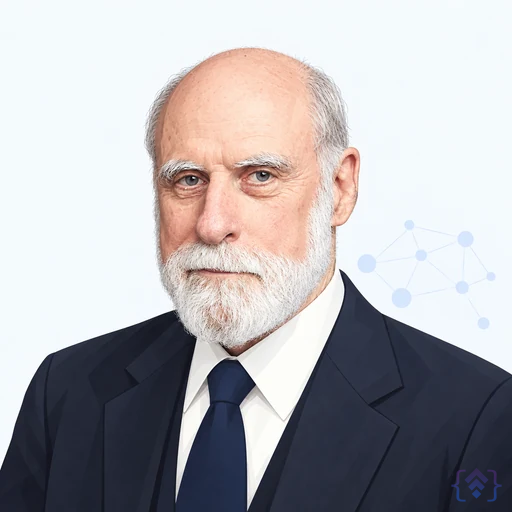
Key Contribution
TCP/IP protocol, Internet architecture
American Internet pioneer known as one of the 'fathers of the Internet'. Along with Robert Kahn, he designed TCP/IP protocols that form the foundation of Internet communication.
Notable Achievements
- Co-designed TCP/IP protocols (with Robert Kahn)
- Played key role in developing Internet architecture
- Won the Turing Award in 2004 (with Robert Kahn)
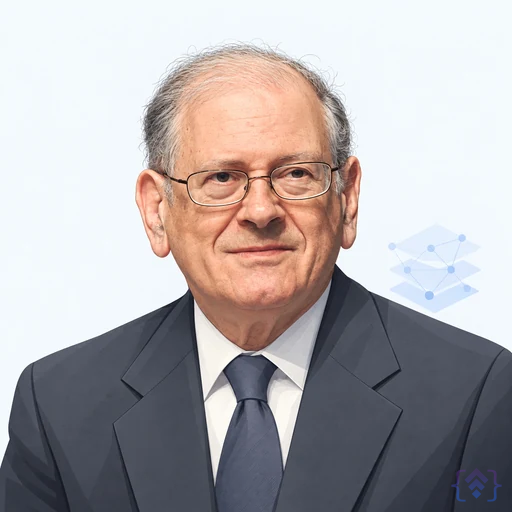
Key Contribution
TCP/IP protocol, Internet architecture
American electrical engineer who, with Vinton Cerf, invented the Transmission Control Protocol (TCP) and Internet Protocol (IP), the fundamental communication protocols of the Internet.
Notable Achievements
- Co-invented TCP/IP protocols (with Vinton Cerf)
- Initiated the ARPANET project that led to the Internet
- Won the Turing Award in 2004 (with Vinton Cerf)
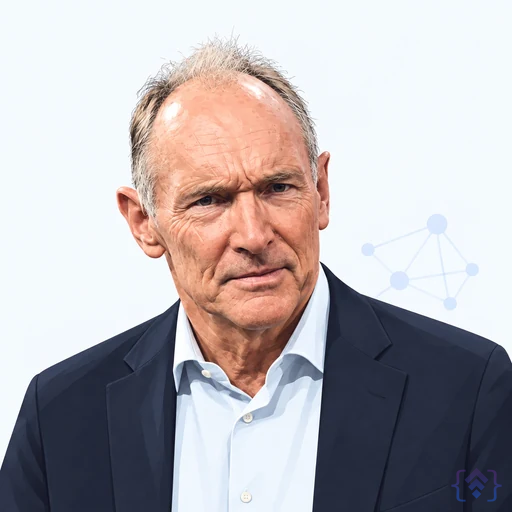
Key Contribution
Inventor of the World Wide Web
English computer scientist best known as the inventor of the World Wide Web. He is a Professorial Fellow of Computer Science at the University of Oxford and a professor at the Massachusetts Institute of Technology.
Notable Achievements
- Invented the World Wide Web in 1989
- Created the first web browser and server
- Founded the World Wide Web Consortium (W3C)
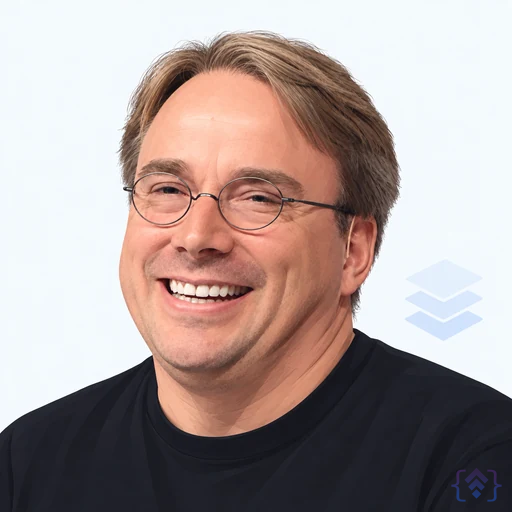
Key Contribution
Creator of Linux and Git
Finnish-American software engineer who is the creator and, historically, the principal developer of the Linux kernel, which is the kernel for Linux operating systems and other operating systems such as Android and Chrome OS.
Notable Achievements
- Created the Linux kernel in 1991
- Developed Git version control system
- Pioneered open-source development model
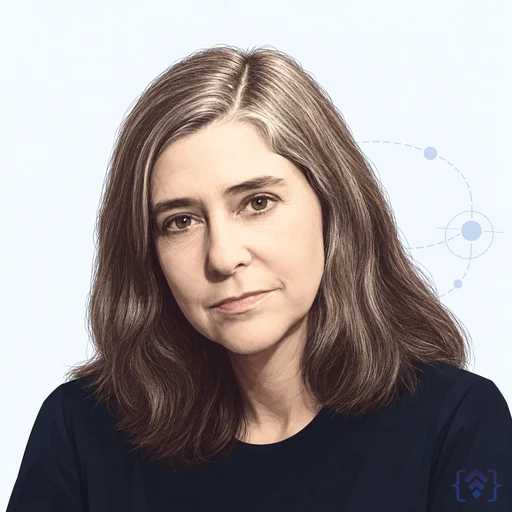
Key Contribution
Apollo guidance computer software
American computer scientist, systems engineer, and business owner who was director of the Software Engineering Division of the MIT Instrumentation Laboratory, which developed on-board flight software for NASA's Apollo program.
Notable Achievements
- Led the team that wrote the Apollo guidance computer software
- Pioneered software engineering as a discipline
- Developed concepts of asynchronous software and priority scheduling

Key Contribution
Bitcoin and blockchain technology
Pseudonymous person or group who created Bitcoin, the first decentralized cryptocurrency. The Bitcoin whitepaper introduced blockchain technology and solved the double-spending problem without requiring a trusted authority.
Notable Achievements
- Created Bitcoin cryptocurrency
- Invented blockchain technology
- Solved the double-spending problem in digital currency
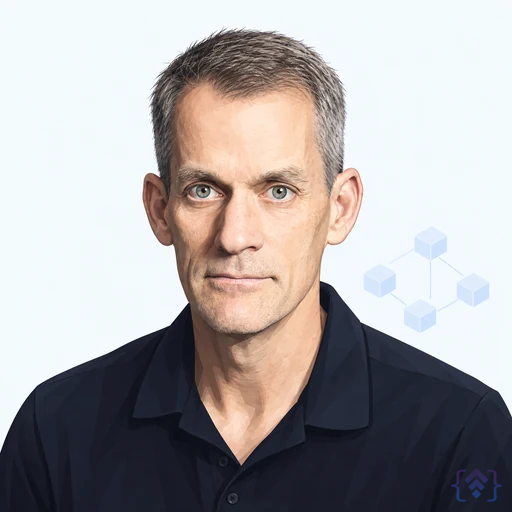
Key Contribution
Large-scale distributed systems, MapReduce, TensorFlow
American computer scientist and software engineer at Google, where he has designed and implemented large-scale distributed systems. He co-designed MapReduce and led the development of TensorFlow.
Notable Achievements
- Co-designed MapReduce for processing large datasets
- Led development of Google's search infrastructure
- Co-founded Google Brain and led TensorFlow development
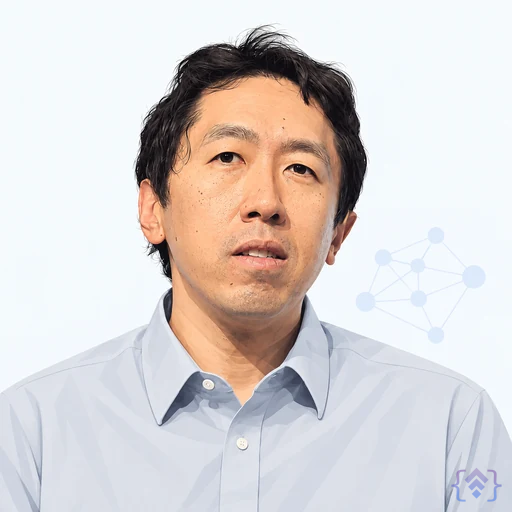
Key Contribution
Machine learning education, AI democratization
British-American computer scientist and entrepreneur focusing on machine learning and AI. He co-founded Coursera and deeplearning.ai, making AI education accessible to millions worldwide.
Notable Achievements
- Co-founded Coursera online learning platform
- Led Google Brain and Baidu AI projects
- Created popular machine learning courses taken by millions
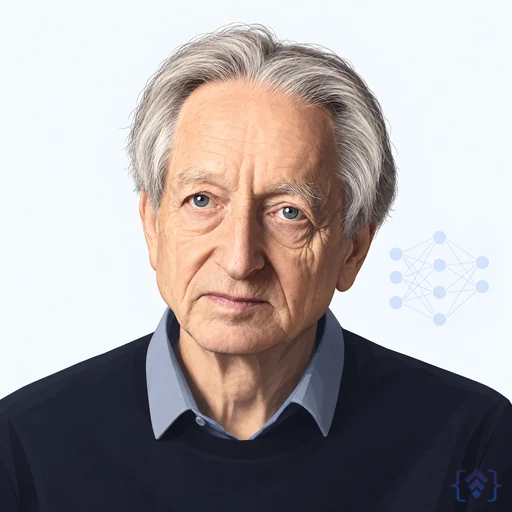
Key Contribution
Deep learning, neural networks, backpropagation
British-Canadian cognitive psychologist and computer scientist, often called the 'Godfather of Deep Learning'. His work on neural networks and backpropagation has been fundamental to modern AI.
Notable Achievements
- Pioneered backpropagation algorithm for training neural networks
- Developed influential deep learning architectures
- Won the Turing Award in 2018 (with Bengio and LeCun)
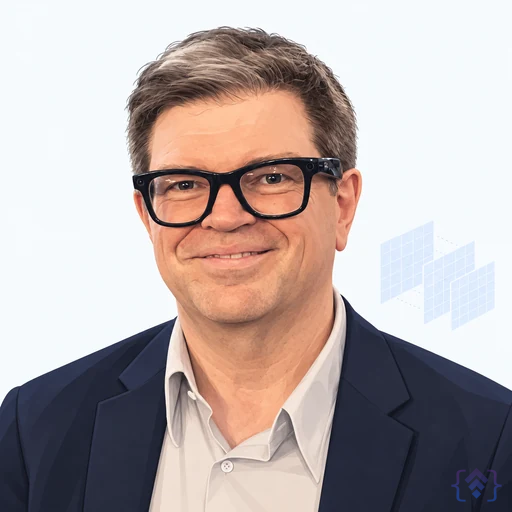
Key Contribution
Convolutional neural networks, computer vision
French computer scientist working primarily in machine learning, computer vision, and robotics. He developed convolutional neural networks (CNNs) and is Chief AI Scientist at Meta.
Notable Achievements
- Developed convolutional neural networks
- Pioneered deep learning techniques for computer vision
- Won the Turing Award in 2018 (with Hinton and Bengio)
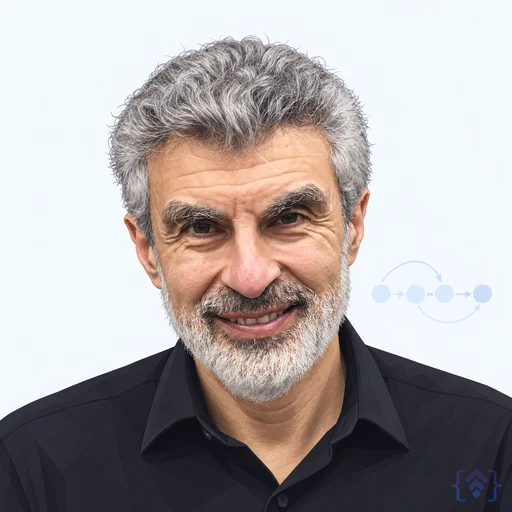
Key Contribution
Deep learning theory, sequence modeling, language models
Canadian computer scientist known for his work on artificial neural networks and deep learning. He made fundamental contributions to the theoretical foundations of deep learning and language modeling.
Notable Achievements
- Made fundamental contributions to deep learning theory
- Pioneered work on sequence modeling and attention mechanisms
- Won the Turing Award in 2018 (with Hinton and LeCun)
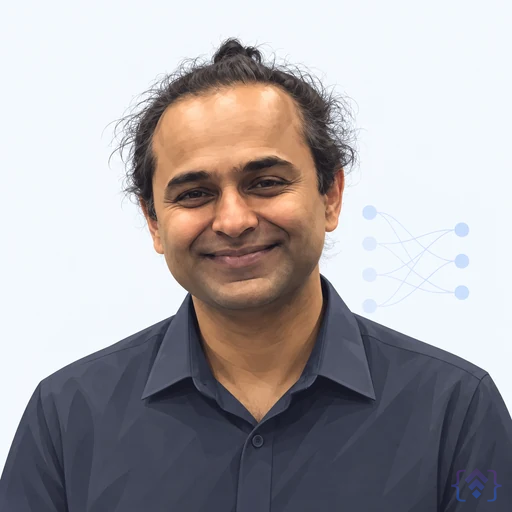
Key Contribution
Transformer architecture, modern LLMs
Computer scientist who co-authored the influential paper 'Attention Is All You Need', introducing the Transformer architecture that revolutionized natural language processing and enabled modern large language models.
Notable Achievements
- Co-authored 'Attention Is All You Need' paper
- Co-invented the Transformer architecture
- Enabled development of GPT, BERT, and modern LLMs
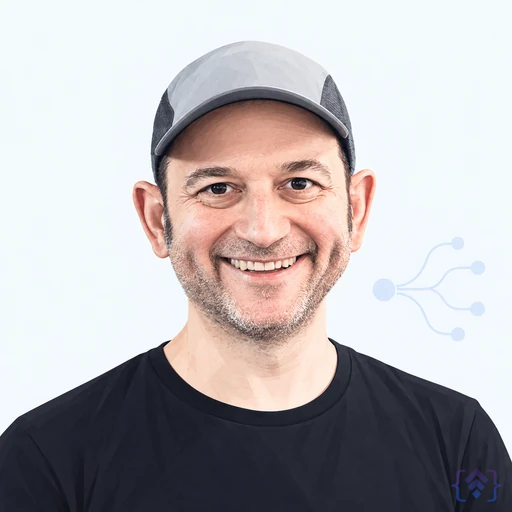
Key Contribution
Transformer architecture, modern LLMs
American computer scientist who co-authored 'Attention Is All You Need' and co-invented the Transformer architecture. His work has been fundamental to the development of large language models and modern AI systems.
Notable Achievements
- Co-authored 'Attention Is All You Need' paper
- Co-invented the Transformer architecture
- Contributed to development of modern language models
Influence on Computer Science
These pioneers and innovators have shaped the field of computer science through their groundbreaking work and visionary ideas. Their contributions continue to influence how we develop and use technology today.
The foundational work of early computer scientists like Alan Turing, Ada Lovelace, and Grace Hopper established the theoretical and practical basis for modern computing. Their innovations in areas like algorithms, programming languages, and computational theory created the framework for all subsequent developments in the field.
Contemporary computer scientists continue to push the boundaries of what's possible, particularly in fields like artificial intelligence, distributed systems, and human-computer interaction. Their work addresses complex challenges and opens new possibilities for how technology can enhance human capabilities and solve global problems.